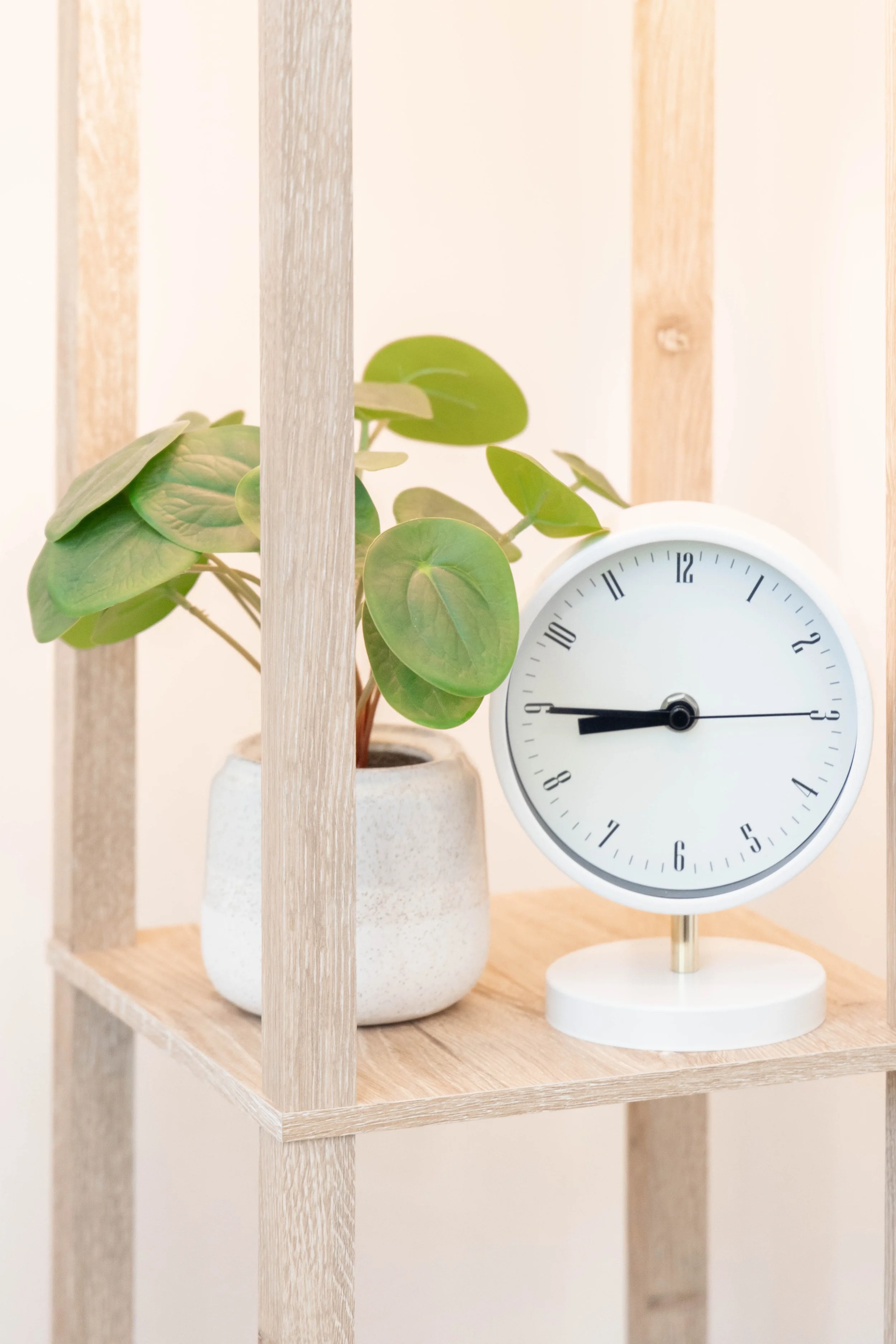
With shorter days and less sunlight, you may notice changes in your energy, mood, motivation, or sleep.
This is partly because our bodies rely on natural light to help regulate our circadian rhythm, which is our internal 24-hour clock. This clock helps regulate when we feel awake and when we're ready for sleep. Changes in daylight can affect when our bodies feel ready to wake up and wind down for the evening.
Here are a few ways to adjust to the time change and make the most of the shorter days.
Spend Time in the Sun
Sunlight plays an important role in regulating our sleep-wake cycle. Getting sunlight during the day, especially in the morning, can help signal to your brain that it's time to wake up. With fewer daylight hours, try to find little opportunities to get outside throughout the day! This can be especially helpful if you leave for work when it's dark and get home after the sun has already set.
Take a walk during your lunch break
Enjoy your morning coffee outside
Move your workout outside when possible
Open the blinds and let natural light into your space--you can do this at home and at work!
Where can you find little opportunities to get outside during the day?
Stay Connected
When it gets dark earlier, it can be easy to fall into a routine of going to work and coming straight home. Making time for others can help break up that routine and help you feel less isolated during the shorter days.
Invite a friend over for dinner or a game night
Sign up for a workout class with a friend
Have a regular phone call with a friend or family member who lives farther away
Join a rec league or group that gives you a reason to meet regularly with others
Who are the people you enjoy spending time with?
Give Yourself Something to Look Forward To
Having something to look forward to can make the week feel a little less repetitive. Making plans or trying something new can give you a reason to get out of the house and add a little variety to your routine. It doesn't have to be anything elaborate. Even small plans count!
Try a new coffee shop, restaurant, or workout class
Plan a weekend outing or day trip
Schedule a massage, manicure, or another activity you enjoy
Start a hobby you've been wanting to try
Pick up a little "sweet treat" on your way home from work
What is something you've been wanting to do but haven't made time for?
Be Intentional About Your Sleep Routine
The time change can throw off your sleep schedule while your body adjusts. Keeping a consistent sleep schedule and having a routine that helps you wind down can make the adjustment a little easier.
Try to go to bed and wake up around the same time each day
Get some natural light in the morning
Give yourself time to wind down before bed
Put your phone away and do something relaxing instead
Find an activity that helps signal the end of your day, like journaling, reading, or yoga
What does your evening routine look like?
Make Time to Rest and Enjoy Being Home
Even though it can be important to stay active and connected, it's just as important to make time for rest. You don't have to fill every evening with plans or feel like you need to be productive all the time! Use the earlier evenings as an opportunity to slow down and enjoy your time at home.
Have a movie night
Light a candle
Try a new recipe or bake something
Start a puzzle or read a book
Give yourself permission to slow down
What are some ways you enjoy spending time at home?
To learn more about our counseling services and support, visit contact us or schedule an appointment online.
This blog post was written by Alex Kelley.
This blog is not intended to substitute professional therapeutic advice. Talk with your healthcare provider about your health concerns and before starting or stopping therapies. No content on this site, regardless of date, should ever be used as a substitute for direct professional advice from your doctor or other qualified clinician.
VISIT US ON INSTAGRAM @atlwell