The Hidden Weight: Trauma in Capable, High-Functioning Women
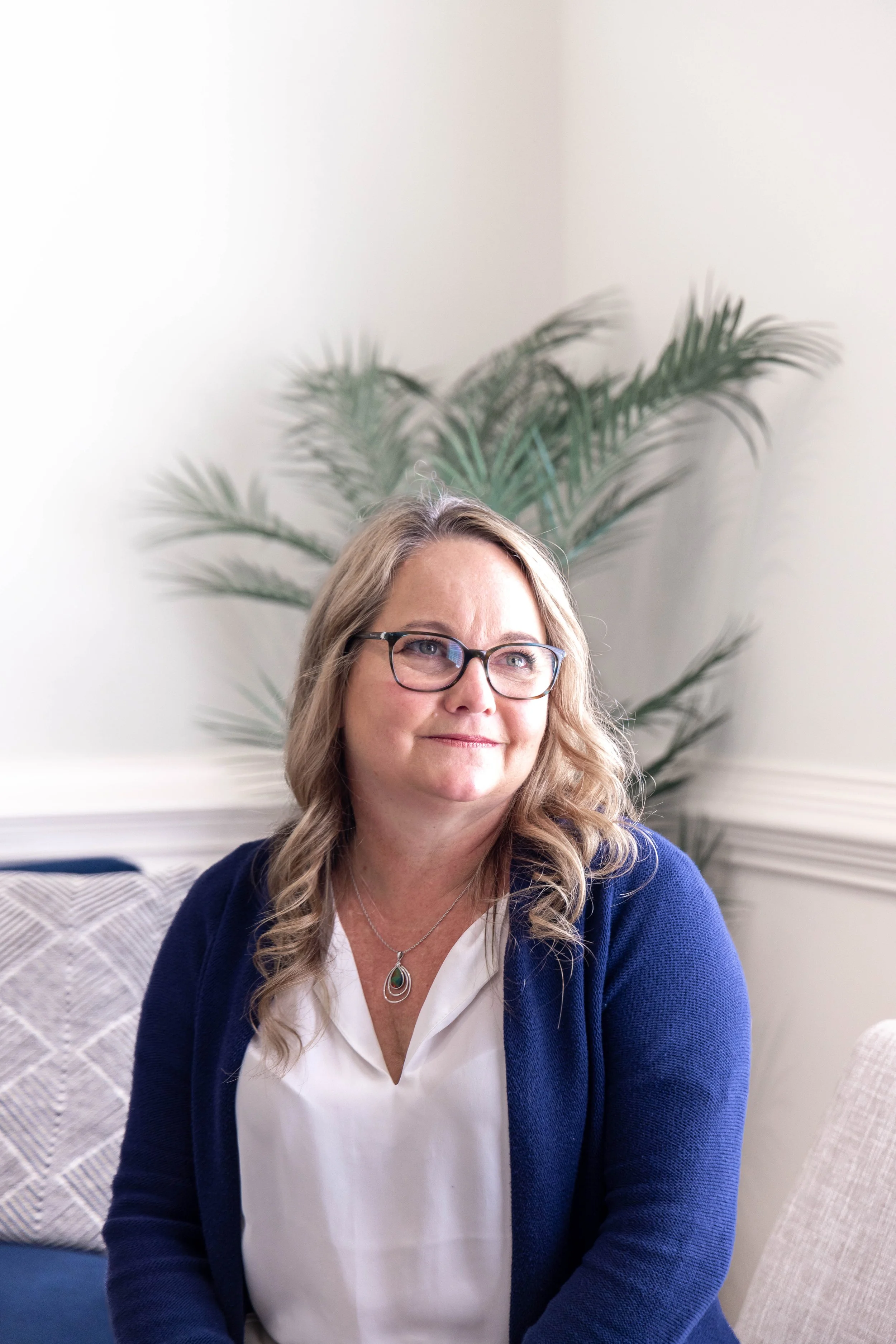
She shows up. She takes care of herself and her family. She works hard and plans ahead. She is thoughtful, capable, and often the one others turn to when things fall apart.
She does all the things.
And it often feels heavy inside. She carries a constant undercurrent of tension, pressure, or emotional weight.
And sometimes, she wonders, “What’s wrong with me? I mean, my life is… fine.”
She often feels a split between what she knows in her mind and what she believes at a deeper level. She may understand that certain things are not true, yet still quietly struggles with beliefs like:
I am only valuable if I am serving others
I’m responsible for everything
I’m not good enough
I’m trapped
I have to be in control
My needs don’t matter
I don’t belong
It’s not safe to be honest or vulnerable
I can’t trust my judgment
This is often what trauma looks like in high-functioning women.
Big T and Little t Trauma
When we use the term “high functioning,” we are not talking about perfectionism or traditional success. We are talking about women who have learned to keep going, no matter what is happening internally. Because of that, they don’t always see themselves as someone who has experienced “trauma”.
Trauma may be a big event, like a sexual assault or seeing a loved one die. This is what we sometimes call “Big T trauma.” But trauma isn’t defined only by extreme events. It can also come from chronic stress, relational wounds, emotional neglect, or environments where you had to adapt to be okay. Sometimes we call this “Little t trauma” – not because it is less important or impactful, but because it is often a pattern of overlooked experiences. Over time, those experiences can create a real traumatic impact. High functioning women adapt to these experiences in order to cope, and that’s a good thing! But often there is a point where those adaptations are no longer needed and may be working against them experiencing their best life.
How Trauma Shows Up (Even When Life Looks Fine)
In high-functioning women, trauma often hides in patterns that are easy to overlook or even praised:
Taking on too much and struggling to let others help
Feeling responsible for other people’s emotions
Difficulty resting without guilt
Chronic anxiety or a nervous system that rarely feels settled
Overthinking, self-doubt, or internal pressure to “get it right”
Feeling emotionally numb or disconnected at times
Being highly self-aware, but still feeling stuck
These patterns are often effective. They lead to achievement, reliability, and the ability to hold things together. But at some point, many high-functioning women begin to feel the cost: exhaustion, resentment, or a quiet confusion about meaning and purpose.
What Healing Actually Looks Like
Healing isn’t about becoming less capable or giving up your strength. It’s about becoming more honest, more supported, and more aligned within yourself.
It might look like:
Learning to set boundaries without guilt
Letting yourself receive care instead of always being the one who gives it
Understanding your patterns instead of just trying to manage them
Feeling your emotions without being overwhelmed by them
Making choices based on what matters to you, not just what’s expected
Allowing your deeper beliefs to gradually align with what you know to be true
Many of the women we work with are thoughtful, capable, and deeply reflective, yet still feel stuck in patterns they can’t think their way out of. Therapy can be a space to slow down, understand those patterns, and begin to shift them in a way that feels grounded and sustainable.
You don’t have to stop being strong.
But you don’t have to carry everything on your own, either.
Here at Atlanta Wellness collective, we want to help. For support contact us or schedule an appointment online
This blog post was written by Jennifer Oswald.
This blog is not intended to substitute professional therapeutic advice. Talk with your healthcare provider about your health concerns and before starting or stopping therapies. No content on this site, regardless of date, should ever be used as a substitute for direct professional advice from your doctor or other qualified clinician.
VISIT US ON INSTAGRAM @atlwell